

Lighting is one of the most powerful tools in Blizzard’s environmental design. More than simple illumination, it shapes atmosphere, guides player movement, sets emotional tone, and reinforces narrative themes. Whether players are exploring a tranquil meadow, descending into ancient halls, or navigating a storm-torn coastline, the lighting design dictates how that space feels. In modern WoW, lighting is a storytelling language of its own—subtle, dynamic, and remarkably intentional.
This article explores how Blizzard uses lighting to influence mood, guide visual flow, and turn every zone into a living narrative, revealing the hidden artistry players often sense instinctively but may not consciously notice.
Lighting as an Emotional Framework
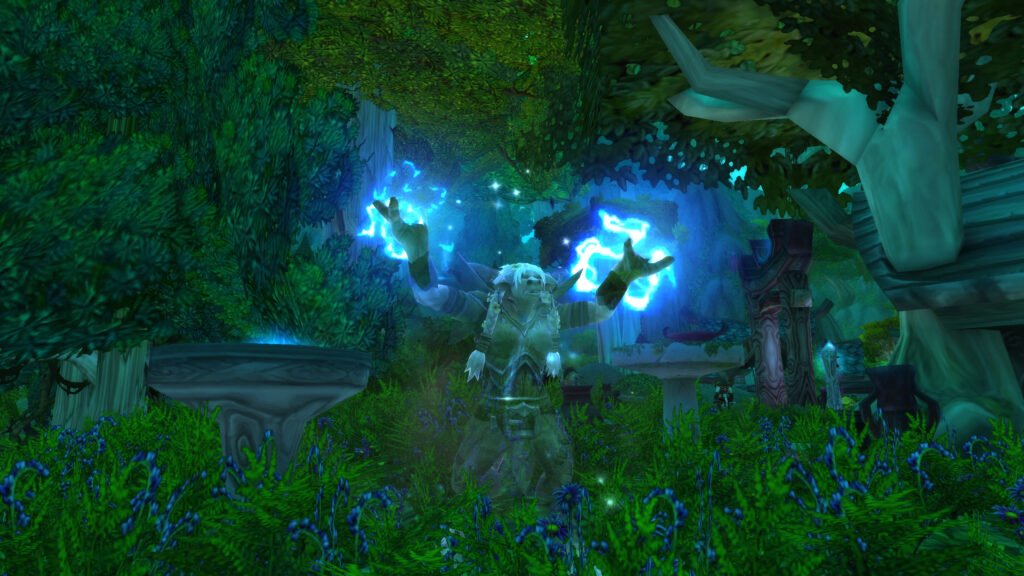
Every zone begins with a tone, and lighting dictates how that tone unfolds. Warm light creates calm and safety, cool light creates mystery, and harsh contrasts create tension. Blizzard leans heavily on these cues to shape players’ emotional responses before a single quest is read. A bright sunrise over a tranquil forest immediately signals peace. A pale moonlit field drenched in fog signals caution or sorrow. A crimson sky over volcanic terrain conveys danger and instability.
Lighting ensures players feel something the moment they arrive.
Directional Lighting Guides Exploration
Lighting also functions as a navigation tool. Players naturally move toward areas of stronger illumination or contrasting highlights. Blizzard uses this instinct to subtly guide players through landscapes. Open paths often feature gentle brightness to encourage forward movement, while key landmarks are accented with glowing windows, torchlight, crystal radiance, or sunlight shafts.
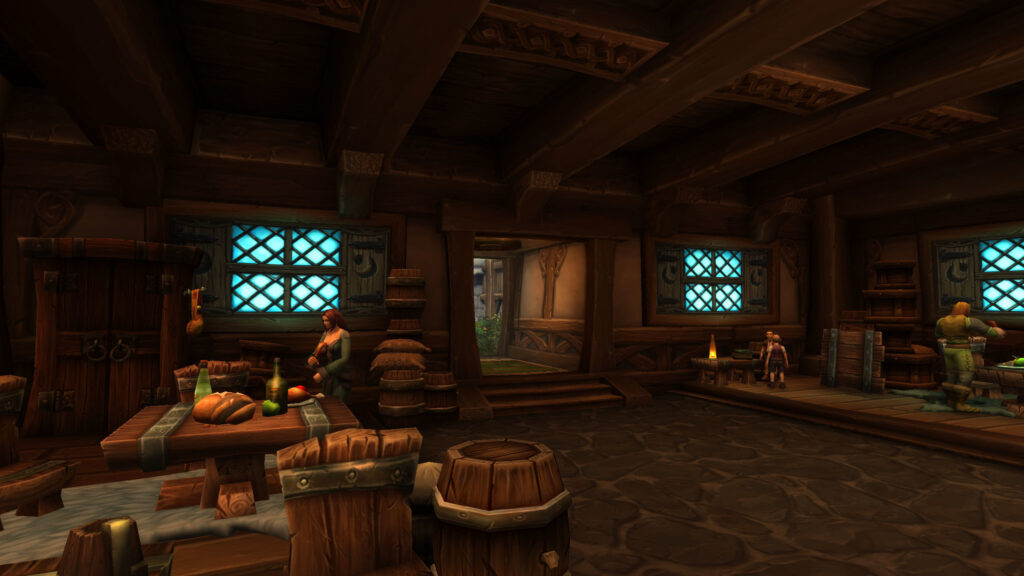
This technique ensures players rarely feel lost, even in zones with complex terrain layouts.
- Sun shafts guiding players toward valleys or shrines
- Torchlight marking cave entrances or narrative hubs
- Soft horizon glow hinting at major settlements
- Luminescent flora highlighting safe paths in dark areas
- Mist density controlling visibility and area mood
Zone Identity Through Light and Shadow
Blizzard uses stark lighting differences to define zone identity. Ohn’ahran Plains bathes in warm daylight that evokes freedom and natural harmony. Zaralek Cavern uses eerie bioluminescence and deep blues to convey subterranean mystery. Thaldraszus combines crystalline highlights with golden sunsets to evoke wisdom and timeless magic.
Shadows play just as important a role. Heavy shadows signal danger or secrecy, giving zones like Duskwood, Maldraxxus, or the Ringing Deeps a specific emotional cadence rooted in their narrative purpose.
Time of Day: A Dynamic Storytelling Layer
WoW’s day–night cycle dramatically affects lighting and mood. At sunrise, gentle pinks and golds make zones feel hopeful. Midday light brings clarity and energy. Sunset casts long shadows and warm gradients that evoke closure or nostalgia. Night brings cool tones, silence, and introspection. Players who revisit zones at different times often feel like they’re experiencing entirely different emotional journeys.
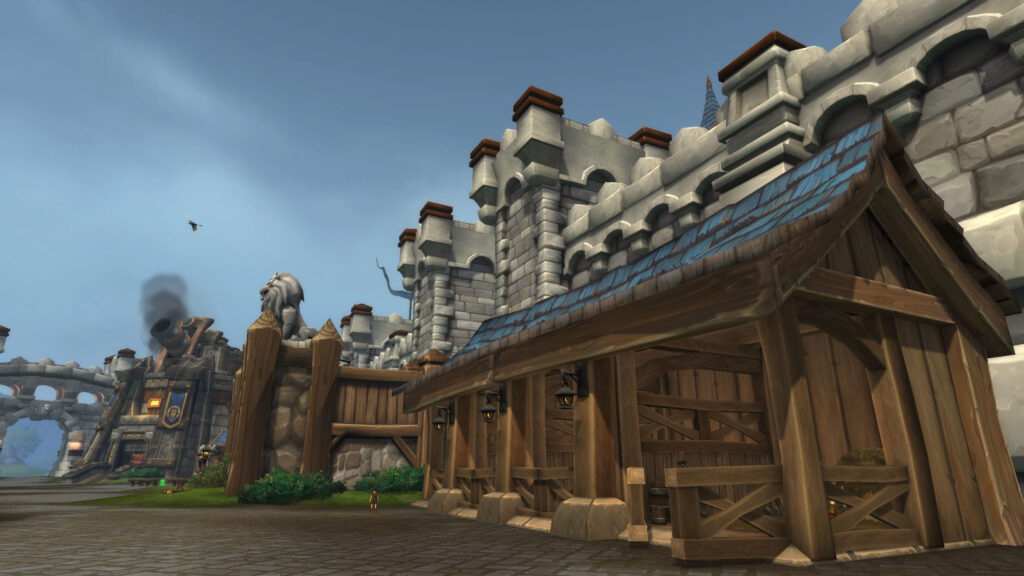
Blizzard uses this cycle to deepen immersion and make familiar locations feel alive and dynamic.
Weather Effects and Atmospheric Layers
Weather overlays transform lighting conditions and enhance environmental storytelling. Fog thickens to evoke mystery or fear. Harsh storms cast intermittent flickers of light and shadow. Sunbeams filter through clouds to create magical ambience. Snowfall softens zone palettes and creates a sense of isolation or serenity.
These atmospheric layers refine mood with subtle but impactful adjustments to brightness, contrast, and color.
Lighting as a Narrative Device in Dungeons
Dungeons showcase some of Blizzard’s most deliberate lighting design. Dark corridors force players to rely on guarded movement. Bright boss arenas create contrast and signify climactic encounters. Magical effects illuminate key mechanics, helping players anticipate danger. Even simple alcoves lit by braziers can communicate cultural or architectural identity.
Lighting elevates dungeons beyond combat arenas—it turns them into curated theatrical experiences.
The Role of Magical Light in Fantasy Storytelling
Fantasy worlds rely on magical light sources to distinguish themselves from reality. Arcane crystals in Suramar, titan machinery in Ulduar, primal fire in the Dragon Isles, anima currents in Ardenweald—all use stylized illumination to tell story through aesthetics. These elements reinforce faction identity, magical schools, and ancient histories without needing exposition.
Blizzard’s mastery of magical lighting gives zones a sense of wonder firmly tied to Warcraft’s fantasy identity.
Subtle Lighting That Shapes Player Psychology
Lighting influences how players behave. Brighter areas encourage exploration, while darker zones encourage caution. Sharp contrasts raise alertness, while soft glows foster calm. Blizzard uses these psychological cues to shape pacing—slow, quiet areas prepare players for sudden challenges, while high-contrast zones maintain tension for longer durations.

This subconscious manipulation is one of the most underrated aspects of WoW’s environmental design.
The War Within: Underground Brilliance
The War Within required Blizzard to rethink lighting entirely. Underground zones lack natural sunlight, so designers leaned heavily on reflective minerals, glowing flora, lantern arrays, and ancient machinery. The use of vibrant color against shadowed backdrops creates stunning visual contrasts that guide navigation and define mood.
This expansion proves how versatile lighting can be—even in environments with inherent darkness.
Why Players Feel Connected to Beautiful Lighting
Lighting is the invisible narrative thread that ties emotional experience to environmental storytelling. Even players who rush through zones are influenced by the subtle cues shaping their path and mood. The soft warmth of a peaceful settlement, the cold silence of an abandoned ruin, or the shimmering magic of ancient titan halls—all of these moments are defined by light.
Good lighting makes the world feel lived-in, cohesive, and emotionally resonant.
Conclusion
Blizzard’s lighting design is a foundational pillar of WoW’s environmental storytelling. Through color, direction, brightness, and atmospheric layers, lighting influences mood, guides exploration, and deepens narrative immersion. Whether exploring sunlit plains, descending into glowing caverns, or wandering through storm-lit dunes, players experience stories not just through quests—but through the light that shapes every corner of Azeroth.
This invisible artistry is one of the reasons WoW’s world feels timeless, emotional, and endlessly captivating.

Greetings, fellow gamers and adventurers of the virtual realm! I am Joanne Nichols, an enthusiastic gaming journalist driven by an insatiable curiosity and a profound appreciation for the artistry of video games. With a pen in hand and a heart brimming with excitement, I delve into the vast landscapes of digital realms, unearthing hidden narratives and celebrating the incredible experiences that gaming offers.
Throughout my career, I have had the pleasure of exploring diverse genres and platforms, immersing myself in captivating worlds and engaging with their vibrant communities. From epic RPGs to heart-pounding action games, I have witnessed the power of storytelling and the boundless creativity that defines the gaming industry.
As a dedicated gaming journalist, I strive to share my passion and insights with fellow gamers like you. Through my words, I aim to transport you to immersive worlds, provoke thought, and ignite discussions about the profound impact of video games on our lives.
Leave a Reply