
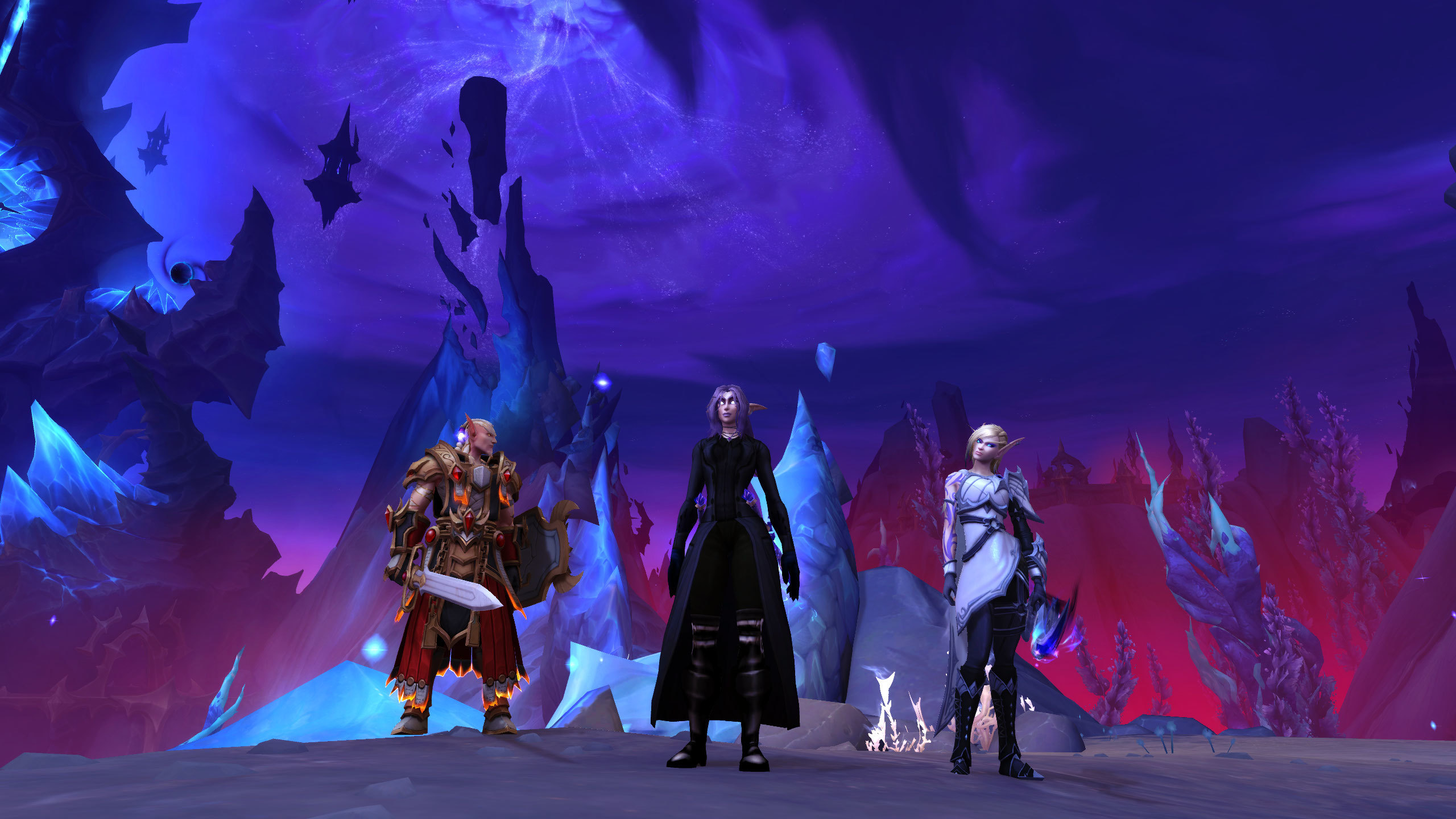
World of Warcraft was the primary training ground for modern gaming media. Long before esports became a billion-dollar industry, Warcraft players were filming their raids, recording their arena matches, and setting the standard for what a “gaming video” should be. This guide tracks the rise of WoW as a media juggernaut, explaining how its complex raiding and PvP systems created the first generation of gaming influencers and defined the aesthetic of modern streaming.
From Raid Recordings to Livestreaming
The earliest gaming videos on the internet were often “raid kills”—low-resolution recordings of forty players standing in a room, spamming abilities, and cheering in TeamSpeak. These videos were the blueprints for modern streaming. They established the format: a narrator (or raid leader) providing context, the high-stakes atmosphere, and the eventual payoff of the boss kill. As streaming platforms like Twitch emerged, Warcraft was one of the few games that provided the “drama” necessary for live broadcasting. The multi-hour progression attempts were perfect for long-form streaming, creating a sense of camaraderie between the player and their audience that hadn’t existed in gaming media before.
YouTube also found its identity through Warcraft. “WoW Guides” and “Machinima” channels were the first true influencer networks. Players like Patrvick or the creators of “The Speed Run” set the bar for editing and commentary, turning technical play-by-plays into entertainment. They taught the world that a video game could be a spectator sport. By focusing on the high skill ceiling of the game, these creators proved that there was an audience eager to watch others reach the pinnacle of digital mastery, setting the stage for every popular streamer who dominates the airwaves today.
The Evolution of Gaming Spectacle
| Media Format | WoW Contribution |
|---|---|
| Raid Videos | Established the “raid leader” as a narrator. |
| PvP Montages | Popularized high-intensity, music-synced editing. |
| Educational Guides | Created the blueprint for modern “How-to” content. |
| Live Progression | Proved that long-form watching attracts viewers. |
The Spectator-Player Link
WoW bridged the gap between playing and watching. By making its world look “epic” and its challenges look “insurmountable,” it turned the game into a theater. Viewers didn’t just want to play; they wanted to see the best players overcome the hardest bosses. This desire to witness “world first” moments created an atmosphere that felt like a professional sporting event, forever changing the public perception of gaming from a solitary hobby into a shared social spectacle.
Greetings, fellow gamers and adventurers of the virtual realm! I am Joanne Nichols, an enthusiastic gaming journalist driven by an insatiable curiosity and a profound appreciation for the artistry of video games. With a pen in hand and a heart brimming with excitement, I delve into the vast landscapes of digital realms, unearthing hidden narratives and celebrating the incredible experiences that gaming offers.
Throughout my career, I have had the pleasure of exploring diverse genres and platforms, immersing myself in captivating worlds and engaging with their vibrant communities. From epic RPGs to heart-pounding action games, I have witnessed the power of storytelling and the boundless creativity that defines the gaming industry.
As a dedicated gaming journalist, I strive to share my passion and insights with fellow gamers like you. Through my words, I aim to transport you to immersive worlds, provoke thought, and ignite discussions about the profound impact of video games on our lives.
Leave a Reply